




Chemical Drying Solutions
Chemical Drying Solutions for Powders, Granules, Pastes and Liquid Feeds
Changhai provides drying equipment for chemical powders, granules, crystals, filter cakes, pastes, slurries and pumpable liquid feeds. The available range includes spray, fluid-bed, vacuum, flash, belt, plate, paddle and other dryer types.
The drying route is selected from the material form, moisture or solvent to be removed, heat sensitivity, stickiness, corrosion characteristics, capacity, final product requirement and plant conditions.
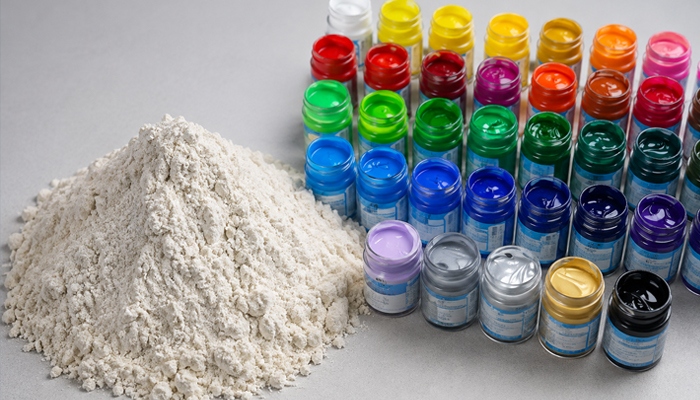
Chemical Drying Challenges
Solvent & Heat
Solvent-containing and heat-sensitive materials require the vacuum level, heating method, vapor path and condensation arrangement to be defined for the actual process.
Viscosity & Agitation
Filter cakes, pastes and sticky feeds require suitable feeding, dispersion or agitation to reduce agglomeration and renew the heat-transfer surface.
Corrosion & Dust
Corrosive, dusty or fine materials require project-specific review of product-contact materials, sealing, collection, exhaust treatment and discharge.
Recommended Chemical Drying Equipment
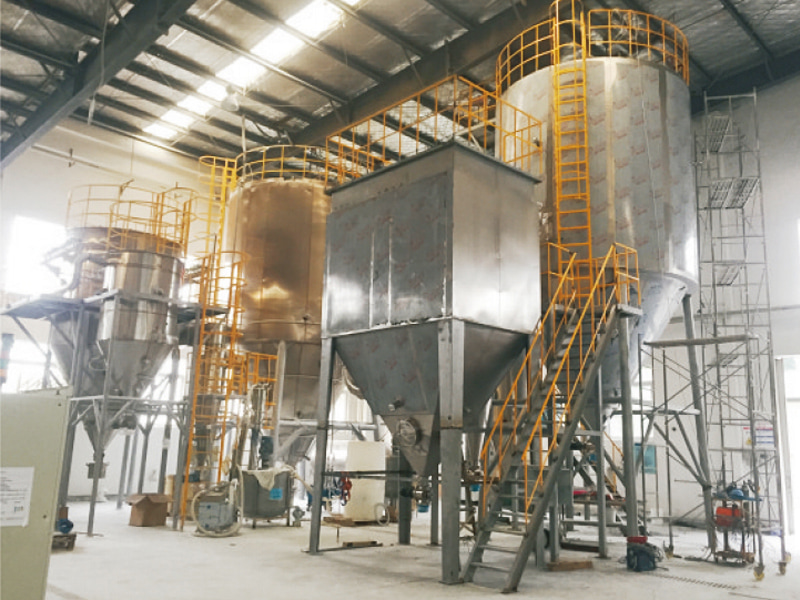
LPG Series Centrifugal Spray Dryer
For pumpable solutions, emulsions, suspensions and selected paste-like feeds requiring liquid-to-powder conversion.
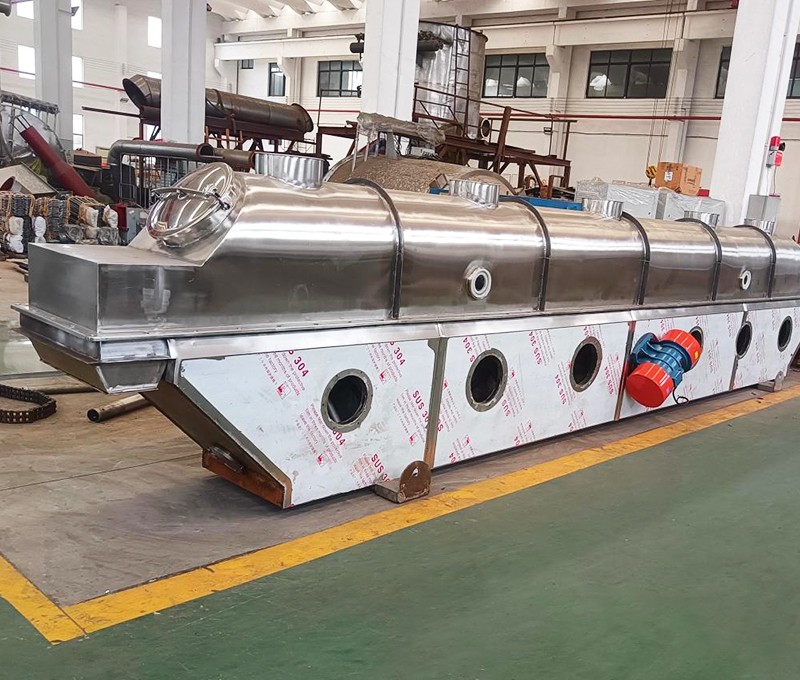
GZQ/ZLG, XF, GFG & FG Fluid-Bed Dryers
For suitable powders, granules, crystals and wet particulate materials in continuous or batch operation.
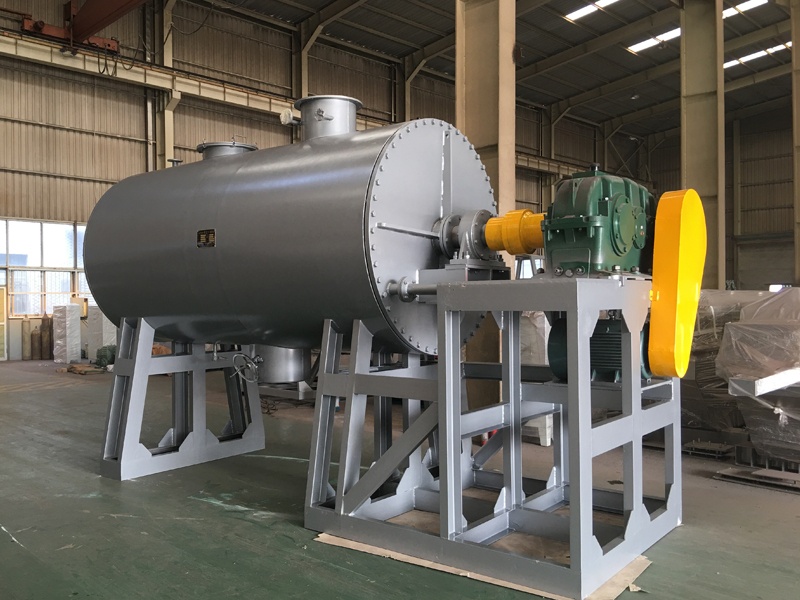
SZG, ZPG, LDG & YZG/FZG Vacuum Dryers
For powders, granules, pastes, slurries, filter cakes and selected heat-sensitive or solvent-containing materials.
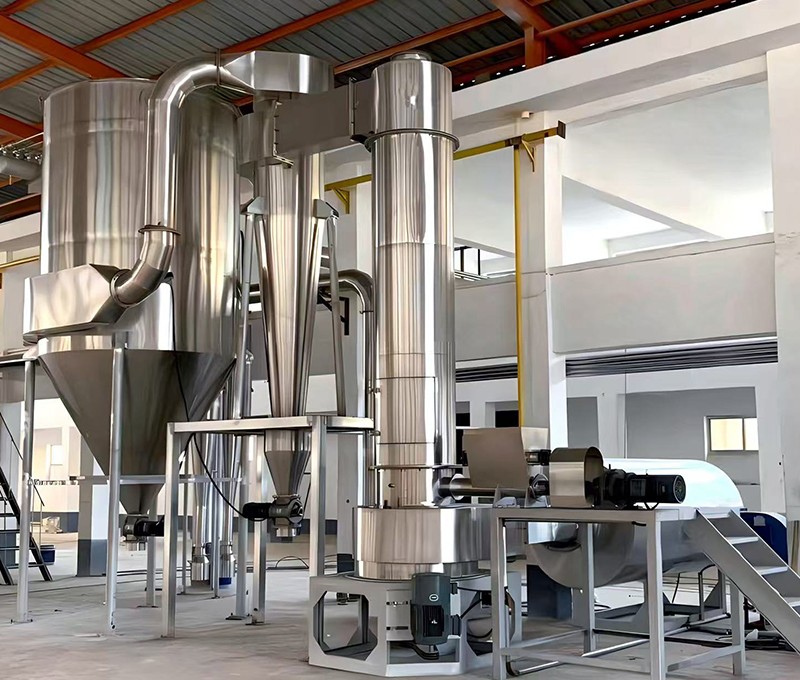
XSG Series Spin Flash Dryer
For wet filter cakes, pastes and agglomerated feeds requiring dispersion and continuous drying.
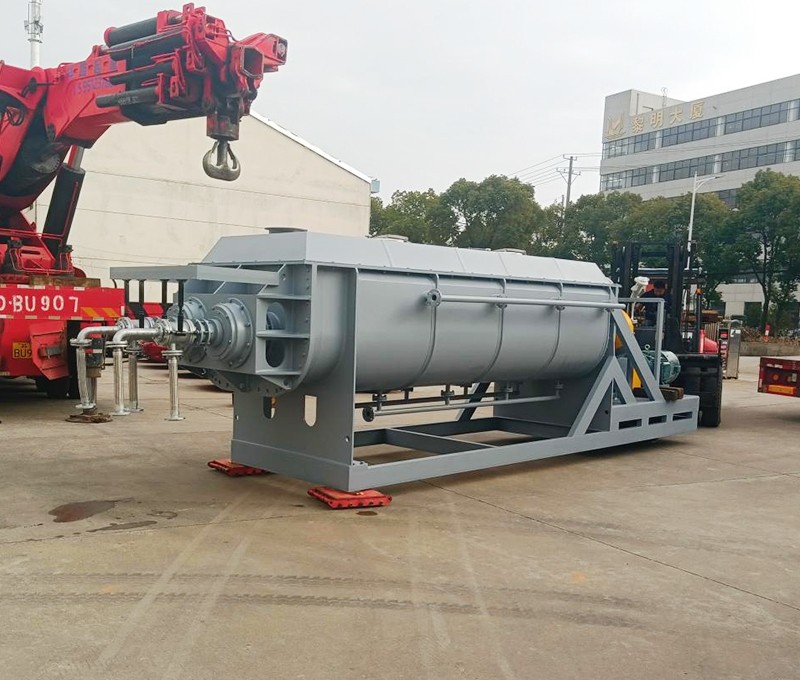
KJG Paddle Dryer & PLG Plate Dryer
For indirect or conductive drying of suitable powders, pastes, sludges, salts and chemical products.
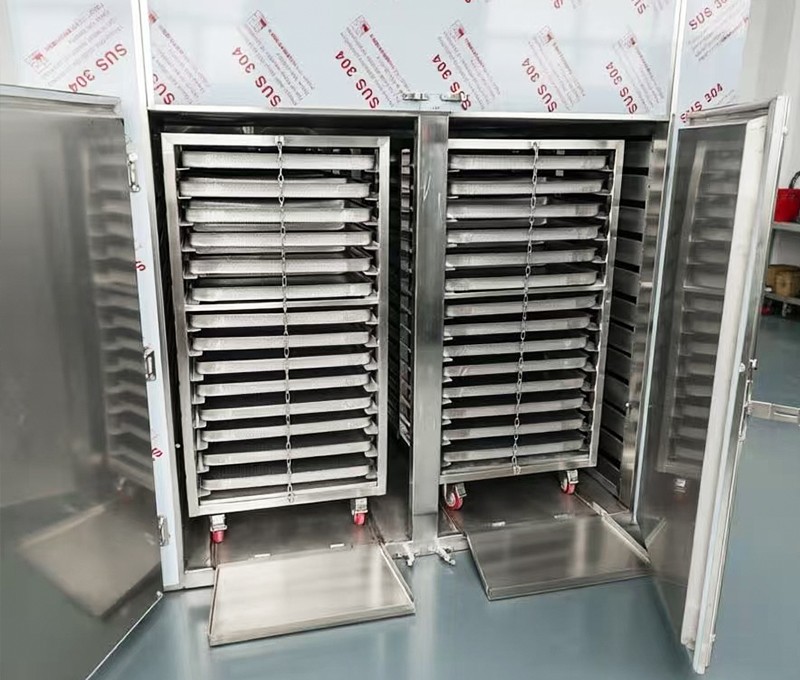
DW Belt Dryer & CT/CT-C Oven
For shaped, sliced, layered or tray-loaded materials requiring continuous or batch hot-air drying.
Chemical Dryer Selection Guide
Use spray drying when a pumpable liquid feed must be converted into powder.
Use fluid-bed drying when powders or granules have suitable fluidization characteristics and require drying, cooling or both.
Use vacuum drying when reduced pressure, sealed batch processing or dedicated vapor handling is required.
Use spin flash drying when a wet cake or paste can be dispersed and dried continuously.
Use paddle or plate drying when indirect heat transfer and controlled residence time suit the material.
Final selection requires the material name and form, initial and target moisture, solvent information, temperature limit, capacity, particle requirement, heat source and discharge condition.
Chemical Processing Applications
The documented dryer range serves fine chemicals, pigments and dyes, resins, catalysts, inorganic salts, metal oxides, activated carbon, fertilizers, agrochemical intermediates and other chemical process materials.
The correct equipment is determined by the feed state and process duty rather than by industry name alone.
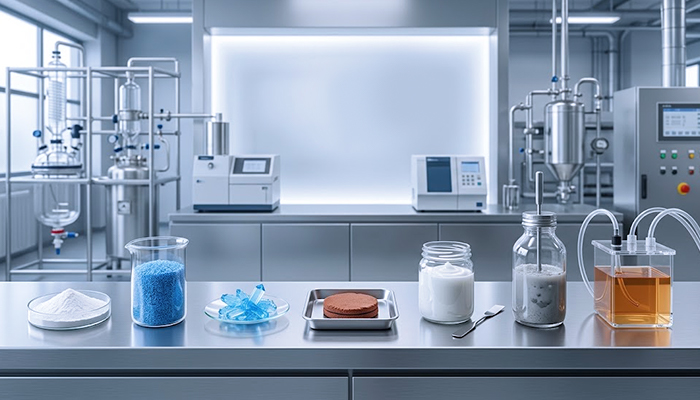
Material and Process Data
Typical feed forms include solutions, emulsions, suspensions, wet powders, granules, crystals, filter cakes, pastes and slurries.
Evaluation should cover solids content, viscosity, particle size, bulk density, moisture or solvent content, thermal behavior, corrosion, stickiness, target product form, collection method and downstream handling.
Chemical Drying System Configuration
Heating method and operating temperature are selected for the chosen dryer and available utilities.
Vacuum pumps, vapor piping, condensers or recovery equipment are configured when required by the process.
Cyclone separation, bag filtration or combined dust collection is selected according to particle and exhaust characteristics.
Product-contact materials, sealing, agitation, feeding and discharge are specified from the material data.
Controls, layout and auxiliary equipment are matched to the equipment series and plant conditions.
Engineering and Manufacturing Support
Changhai designs and manufactures a broad range of drying, granulating, mixing, crushing and auxiliary equipment. A sample-testing center and pilot workshop are available for material evaluation and process discussion.
Project support can include equipment selection, drawing confirmation, manufacturing, inspection, factory testing, installation guidance and after-sales communication, subject to the agreed project scope.
Solvent-Containing Chemical Intermediate
Typical Project Scenario
A chemical-intermediate producer needs to dry a solvent-containing paste in batches. The material requires agitation, indirect heating and dedicated vapor handling, while direct contact with large volumes of hot air is undesirable.
For this duty, Changhai can configure a ZPG vacuum harrow dryer with jacket heating, rake agitation, vacuum generation, vapor piping and a condenser or recovery unit selected for the solvent.
The arrangement renews the heated material surface and removes vapor under vacuum, addressing uneven drying, adhesion and vapor-handling requirements. Equipment size and operating conditions are confirmed from material and process data.
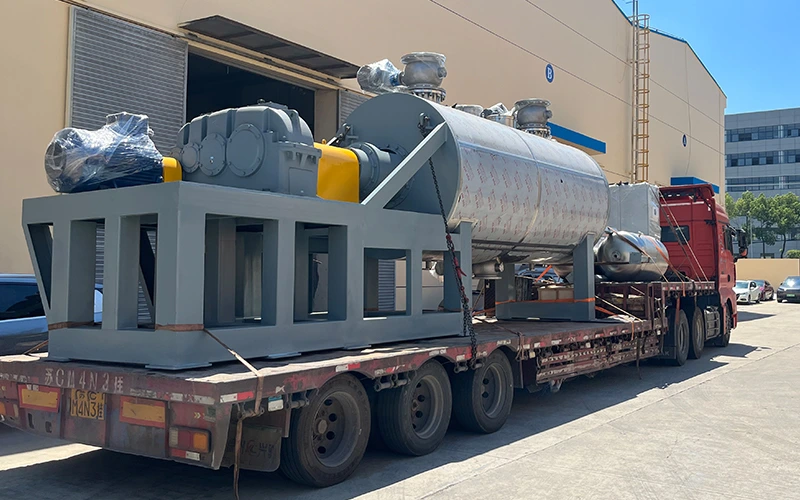
From Process Data to Equipment Delivery
The project begins with the material form, moisture or solvent, capacity, temperature limit, heat source and site conditions. Representative material testing may be arranged when the drying behavior is uncertain.
After the drying route is confirmed, the workflow can include equipment selection, drawing confirmation, manufacturing, inspection or factory testing, shipment, installation guidance and after-sales support.
Chemical Drying FAQ
Which dryer suits a solvent-containing material?
Vacuum dryers are commonly considered when sealed batch processing and dedicated vapor handling are required. The solvent, temperature, vacuum level and condensation duty must be reviewed.
Which dryer suits a wet filter cake?
XSG spin flash drying may be considered for dispersible cakes requiring continuous drying; ZPG vacuum harrow drying may be considered for paste-like or solvent-containing batch duties.
Can solvent recovery be included?
Condensation or recovery equipment can be integrated into a suitable vacuum-drying system after the solvent and operating conditions are confirmed.
How are contact materials selected?
Material composition, corrosion behavior, temperature, abrasion and cleaning requirements are reviewed before the product-contact material is specified.
What information is required?
Provide the material/form, moisture or solvent content, target moisture, capacity, temperature limit, particle requirement, heat source, exhaust and discharge requirements.
Chemical Drying Solutions
Chemical Drying Solutions for Powders, Granules, Pastes and Liquid Feeds
Changhai provides drying equipment for chemical powders, granules, crystals, filter cakes, pastes, slurries and pumpable liquid feeds. The available range includes spray, fluid-bed, vacuum, flash, belt, plate, paddle and other dryer types.
The drying route is selected from the material form, moisture or solvent to be removed, heat sensitivity, stickiness, corrosion characteristics, capacity, final product requirement and plant conditions.
Chemical Drying Challenges
Solvent & Heat
Solvent-containing and heat-sensitive materials require the vacuum level, heating method, vapor path and condensation arrangement to be defined for the actual process.
Viscosity & Agitation
Filter cakes, pastes and sticky feeds require suitable feeding, dispersion or agitation to reduce agglomeration and renew the heat-transfer surface.
Corrosion & Dust
Corrosive, dusty or fine materials require project-specific review of product-contact materials, sealing, collection, exhaust treatment and discharge.
Recommended Chemical Drying Equipment
LPG Series Centrifugal Spray Dryer
For pumpable solutions, emulsions, suspensions and selected paste-like feeds requiring liquid-to-powder conversion.
GZQ/ZLG, XF, GFG & FG Fluid-Bed Dryers
For suitable powders, granules, crystals and wet particulate materials in continuous or batch operation.
SZG, ZPG, LDG & YZG/FZG Vacuum Dryers
For powders, granules, pastes, slurries, filter cakes and selected heat-sensitive or solvent-containing materials.
XSG Series Spin Flash Dryer
For wet filter cakes, pastes and agglomerated feeds requiring dispersion and continuous drying.
KJG Paddle Dryer & PLG Plate Dryer
For indirect or conductive drying of suitable powders, pastes, sludges, salts and chemical products.
DW Belt Dryer & CT/CT-C Oven
For shaped, sliced, layered or tray-loaded materials requiring continuous or batch hot-air drying.
Chemical Dryer Selection Guide
Use spray drying when a pumpable liquid feed must be converted into powder.
Use fluid-bed drying when powders or granules have suitable fluidization characteristics and require drying, cooling or both.
Use vacuum drying when reduced pressure, sealed batch processing or dedicated vapor handling is required.
Use spin flash drying when a wet cake or paste can be dispersed and dried continuously.
Use paddle or plate drying when indirect heat transfer and controlled residence time suit the material.
Final selection requires the material name and form, initial and target moisture, solvent information, temperature limit, capacity, particle requirement, heat source and discharge condition.
Chemical Processing Applications
The documented dryer range serves fine chemicals, pigments and dyes, resins, catalysts, inorganic salts, metal oxides, activated carbon, fertilizers, agrochemical intermediates and other chemical process materials.
The correct equipment is determined by the feed state and process duty rather than by industry name alone.
Material and Process Data
Typical feed forms include solutions, emulsions, suspensions, wet powders, granules, crystals, filter cakes, pastes and slurries.
Evaluation should cover solids content, viscosity, particle size, bulk density, moisture or solvent content, thermal behavior, corrosion, stickiness, target product form, collection method and downstream handling.
Chemical Drying System Configuration
Heating method and operating temperature are selected for the chosen dryer and available utilities.
Vacuum pumps, vapor piping, condensers or recovery equipment are configured when required by the process.
Cyclone separation, bag filtration or combined dust collection is selected according to particle and exhaust characteristics.
Product-contact materials, sealing, agitation, feeding and discharge are specified from the material data.
Controls, layout and auxiliary equipment are matched to the equipment series and plant conditions.
Engineering and Manufacturing Support
Changhai designs and manufactures a broad range of drying, granulating, mixing, crushing and auxiliary equipment. A sample-testing center and pilot workshop are available for material evaluation and process discussion.
Project support can include equipment selection, drawing confirmation, manufacturing, inspection, factory testing, installation guidance and after-sales communication, subject to the agreed project scope.
Solvent-Containing Chemical Intermediate
Typical Project Scenario
A chemical-intermediate producer needs to dry a solvent-containing paste in batches. The material requires agitation, indirect heating and dedicated vapor handling, while direct contact with large volumes of hot air is undesirable.
For this duty, Changhai can configure a ZPG vacuum harrow dryer with jacket heating, rake agitation, vacuum generation, vapor piping and a condenser or recovery unit selected for the solvent.
The arrangement renews the heated material surface and removes vapor under vacuum, addressing uneven drying, adhesion and vapor-handling requirements. Equipment size and operating conditions are confirmed from material and process data.
From Process Data to Equipment Delivery
The project begins with the material form, moisture or solvent, capacity, temperature limit, heat source and site conditions. Representative material testing may be arranged when the drying behavior is uncertain.
After the drying route is confirmed, the workflow can include equipment selection, drawing confirmation, manufacturing, inspection or factory testing, shipment, installation guidance and after-sales support.
Chemical Drying FAQ
Which dryer suits a solvent-containing material?
Vacuum dryers are commonly considered when sealed batch processing and dedicated vapor handling are required. The solvent, temperature, vacuum level and condensation duty must be reviewed.
Which dryer suits a wet filter cake?
XSG spin flash drying may be considered for dispersible cakes requiring continuous drying; ZPG vacuum harrow drying may be considered for paste-like or solvent-containing batch duties.
Can solvent recovery be included?
Condensation or recovery equipment can be integrated into a suitable vacuum-drying system after the solvent and operating conditions are confirmed.
How are contact materials selected?
Material composition, corrosion behavior, temperature, abrasion and cleaning requirements are reviewed before the product-contact material is specified.
What information is required?
Provide the material/form, moisture or solvent content, target moisture, capacity, temperature limit, particle requirement, heat source, exhaust and discharge requirements.