




Food and Agricultural Material Drying
Drying Solutions for Liquid Feeds, Powders, Granules and Sliced Materials
Changhai provides spray, belt, hot-air, fluid-bed, vacuum and mixing equipment for food ingredients, extracts, powders, granules, grains, feed materials and agricultural products.
The drying route is selected from the material form, moisture target, heat sensitivity, stickiness, capacity, heat source, product-collection requirement and cleaning method.
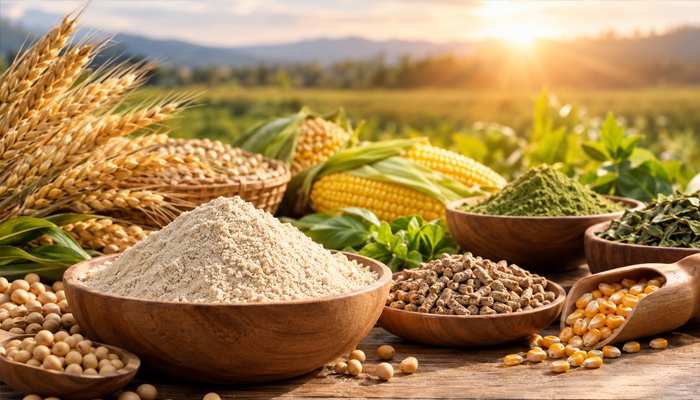
Food and Agricultural Drying Challenges
Thermal Exposure
Temperature-sensitive materials require suitable air temperature, residence time or vacuum conditions to limit unnecessary thermal exposure.
Viscosity & Extracts
Liquid extracts and sugar-containing feeds require review of viscosity, solids content, atomization, wall deposition and powder collection.
Material Handling & Environment
Slices, grains, feed and agricultural products require suitable loading depth, airflow, conveying or tray arrangement for the selected capacity. Product-contact materials, cleaning access, dust collection and packaging connection must be specified for the intended production environment.
Recommended Equipment for Food and Agriculture
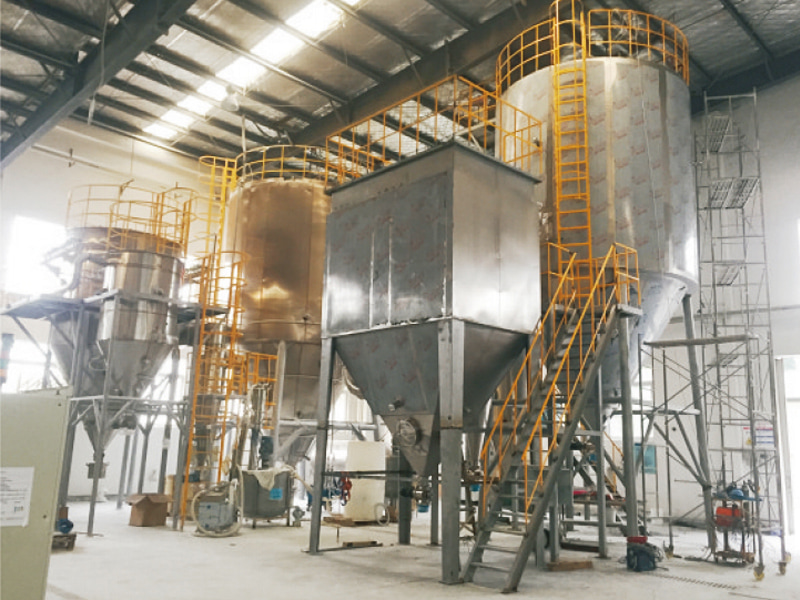
LPG Centrifugal Spray Dryer
For pumpable food solutions, emulsions, extracts and suspensions requiring powder production.
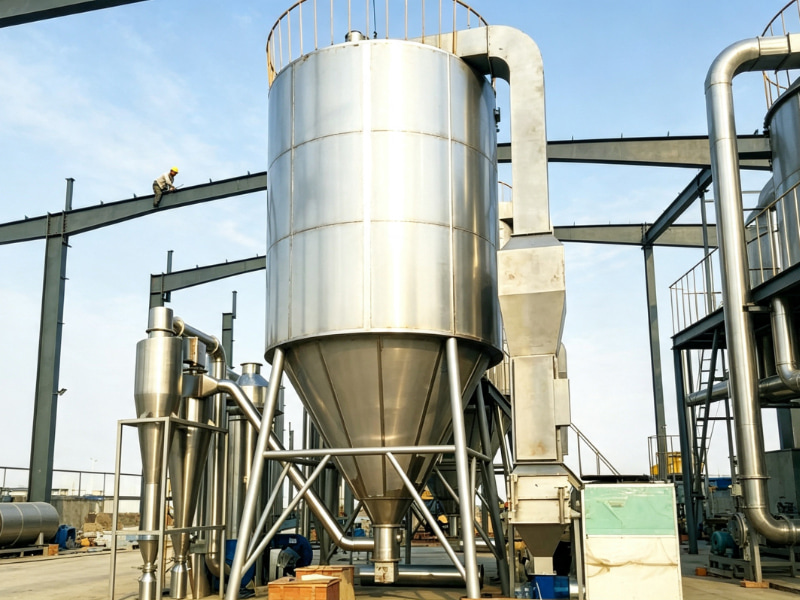
ZLPG Extract Spray Dryer
For selected high-viscosity or heat-sensitive herbal and plant extracts requiring anti-sticking measures.
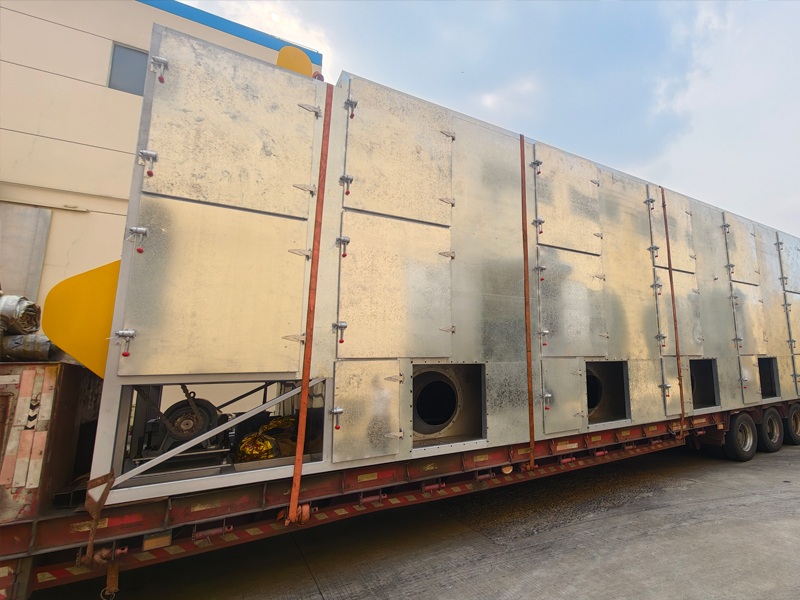
DW Belt Dryer
For continuous drying of suitable slices, strips, granules, feed and agricultural products.
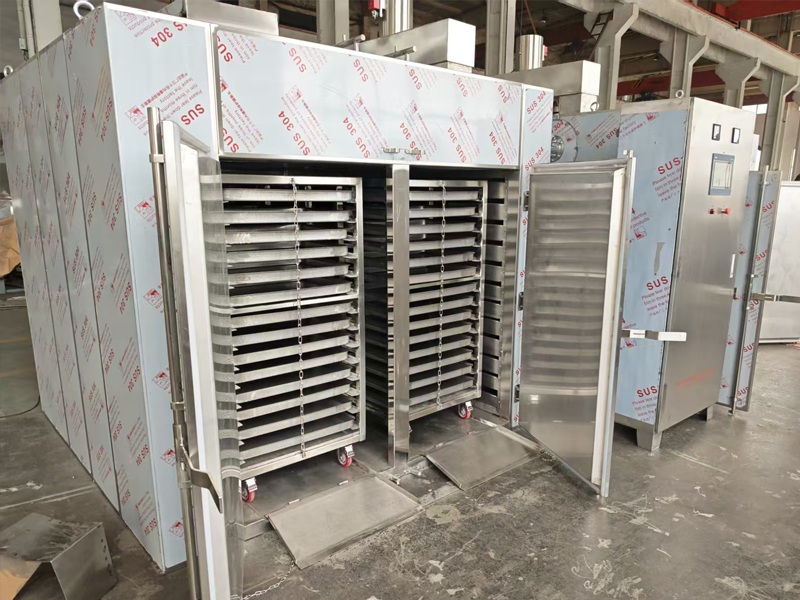
CT/CT-C Hot-Air Circulation Oven
For tray-loaded batch drying of suitable plant materials, granules and ingredients.
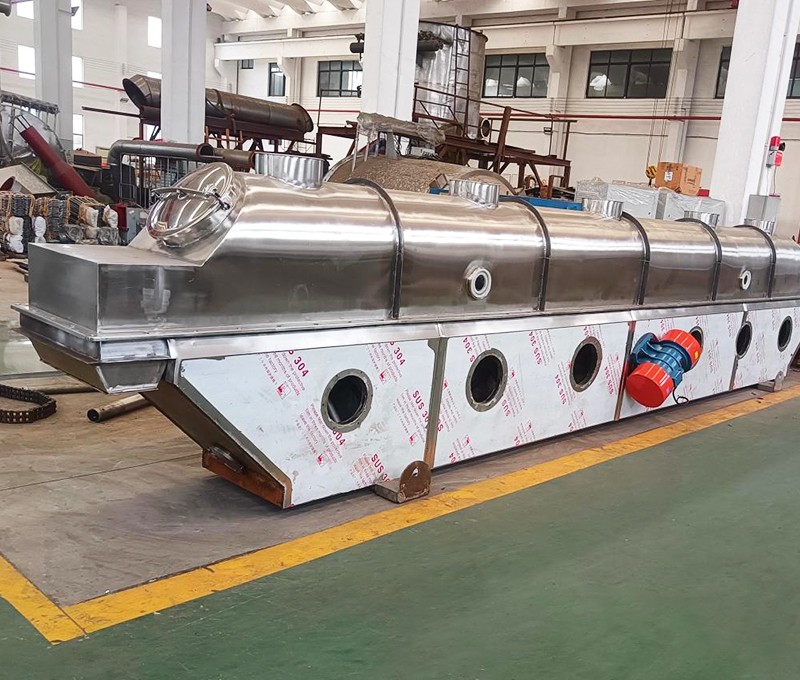
GZQ/ZLG, XF, GFG and FG Fluid-Bed Dryers
For suitable powders, granules and crystals requiring continuous or batch drying, with cooling available in the vibrating-fluid-bed configuration.
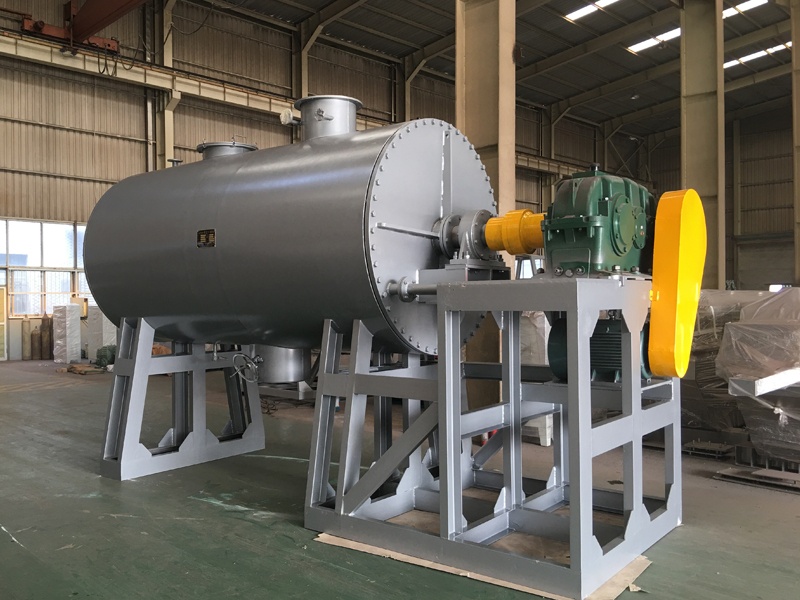
SZG, ZPG, LDG and YZG/FZG Vacuum Dryers
For selected heat-sensitive powders, extracts, pastes and tray-loaded products.
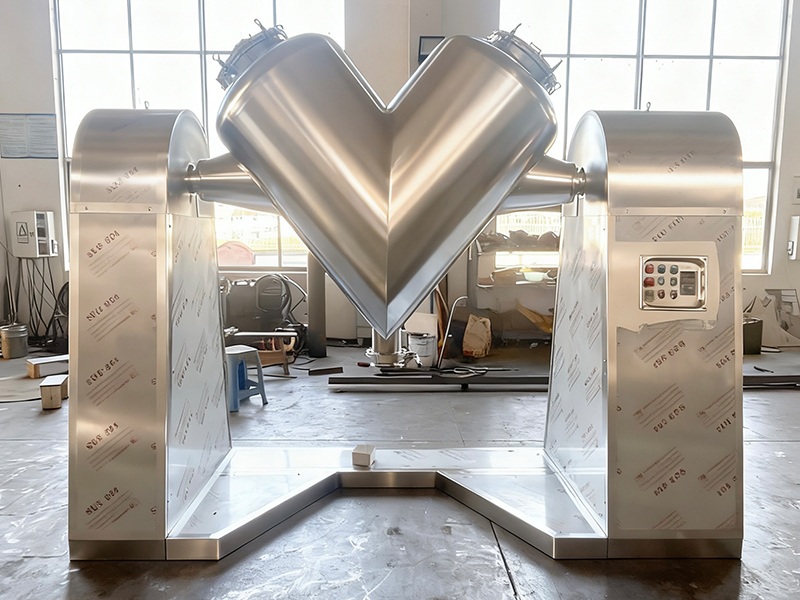
Mixing Equipment
For blending and homogenization before or after drying.
Food and Agriculture Dryer Selection Guide
Use spray drying for a pumpable liquid feed that must be converted into powder.
Use belt drying for suitable sliced, strip, layered or granular materials requiring continuous hot-air drying.
Use hot-air circulation ovens for flexible tray-loaded batch drying.
Use fluid-bed drying for particulate products that can maintain stable fluidization and require drying or cooling.
Use vacuum drying for selected heat-sensitive, paste-like or tray-loaded materials requiring reduced-pressure batch processing.
Final selection should consider composition, sugar or oil content, initial and target moisture, temperature limit, capacity, heat source, cleaning and collection requirements.
Food, Feed and Agricultural Applications
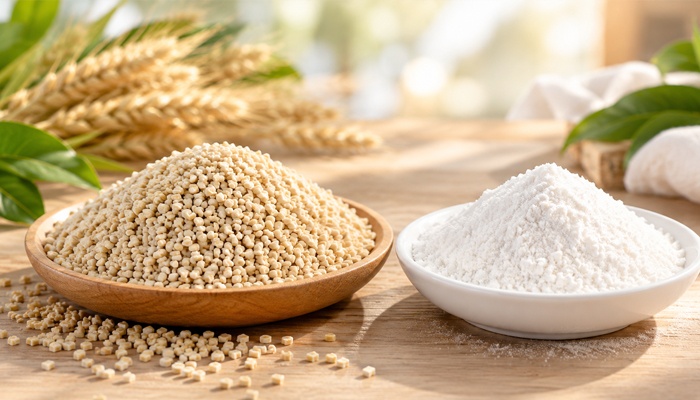
Documented applications include dairy ingredients, coffee and tea extracts, glucose, amino acids, vitamins, starch, food ingredients, seasonings, plant extracts, feed materials, grains, seeds and agricultural products.
The equipment can serve liquid-to-powder, tray drying, continuous belt drying, fluid-bed drying or cooling, vacuum batch drying and blending duties.
Material and Process Data
For liquids, provide viscosity, solids content, feed rate, evaporation duty, sugar or oil content, thermal sensitivity and target powder.
For solids, provide form and dimensions, bulk density, loading depth, initial and target moisture, temperature limit, capacity, friability, stickiness, cleaning and discharge requirements.
Food and Agricultural Drying Configuration
Air temperature, airflow, residence time and heat source are set for the selected hot-air, belt or fluid-bed dryer.
Feed preparation, atomization, powder separation and collection are matched to the liquid feed in a spray-drying system.
Vacuum, indirect heating, vapor handling and discharge are matched to the selected vacuum dryer.
Product-contact material, cleaning access, dust collection, controls and packaging connection are specified for the project.
Application Testing and Equipment Support
Changhai specializes in drying polysaccharide foods, traditional Chinese medicine extracts, biological products, chemical raw materials, food additives and moisture-sensitive pastes. The company has a sample-testing center and pilot workshop.
Project support can include material discussion, testing where applicable, equipment selection, drawing confirmation, manufacturing, inspection, installation guidance and after-sales communication.
Continuous Drying and Cooling of Food Granules
Typical Project Scenario
A food-additive producer needs to dry and cool moist granules continuously before packaging. The process requires stable material conveying, separate drying and cooling duties, dust collection and fewer manual transfers between machines.
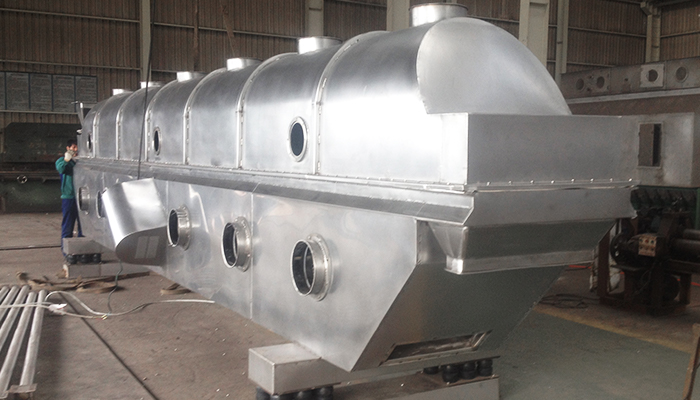
For this duty, Changhai can configure a GZQ/ZLG vibrating fluid-bed line with a hot-air system, drying section, cooling section, dust collection and product discharge.
Adjustable vibration and airflow move the granules through successive process zones, addressing continuous conveying and combined drying/cooling in one line. Final temperature, residence time, bed depth and capacity are confirmed from the material data.
From Material Review to Equipment Delivery
The project begins with representative material information, moisture target, capacity, temperature limit, heat source, cleaning and collection requirements.
The workflow can include material evaluation, route selection, equipment and layout confirmation, manufacturing, inspection or factory testing, shipment, installation guidance and after-sales support.
Food and Agricultural Drying FAQ
Which dryer suits a liquid food feed?
LPG or ZLPG spray drying may be considered according to viscosity, solids content, thermal sensitivity, stickiness and target powder.
Which dryer suits slices or agricultural products?
DW belt drying suits selected materials requiring continuous hot-air drying; CT/CT-C ovens suit flexible tray-loaded batch drying.
Can drying and cooling be combined?
A GZQ/ZLG vibrating fluid-bed line can include separate drying and cooling sections for suitable granular products.
Can sticky or sugar-containing feeds be processed?
They require material-specific review of feeding, temperature, atomization or loading, wall deposition, cleaning and discharge.
What information is required?
Provide the material/form, composition, initial and target moisture, viscosity or dimensions, temperature limit, capacity, heat source, cleaning and collection requirements.
Food and Agricultural Material Drying
Drying Solutions for Liquid Feeds, Powders, Granules and Sliced Materials
Changhai provides spray, belt, hot-air, fluid-bed, vacuum and mixing equipment for food ingredients, extracts, powders, granules, grains, feed materials and agricultural products.
The drying route is selected from the material form, moisture target, heat sensitivity, stickiness, capacity, heat source, product-collection requirement and cleaning method.
Food and Agricultural Drying Challenges
Thermal Exposure
Temperature-sensitive materials require suitable air temperature, residence time or vacuum conditions to limit unnecessary thermal exposure.
Viscosity & Extracts
Liquid extracts and sugar-containing feeds require review of viscosity, solids content, atomization, wall deposition and powder collection.
Material Handling & Environment
Slices, grains, feed and agricultural products require suitable loading depth, airflow, conveying or tray arrangement for the selected capacity. Product-contact materials, cleaning access, dust collection and packaging connection must be specified for the intended production environment.
Recommended Equipment for Food and Agriculture
LPG Centrifugal Spray Dryer
For pumpable food solutions, emulsions, extracts and suspensions requiring powder production.
ZLPG Extract Spray Dryer
For selected high-viscosity or heat-sensitive herbal and plant extracts requiring anti-sticking measures.
DW Belt Dryer
For continuous drying of suitable slices, strips, granules, feed and agricultural products.
CT/CT-C Hot-Air Circulation Oven
For tray-loaded batch drying of suitable plant materials, granules and ingredients.
GZQ/ZLG, XF, GFG and FG Fluid-Bed Dryers
For suitable powders, granules and crystals requiring continuous or batch drying, with cooling available in the vibrating-fluid-bed configuration.
SZG, ZPG, LDG and YZG/FZG Vacuum Dryers
For selected heat-sensitive powders, extracts, pastes and tray-loaded products.
Mixing Equipment
For blending and homogenization before or after drying.
Food and Agriculture Dryer Selection Guide
Use spray drying for a pumpable liquid feed that must be converted into powder.
Use belt drying for suitable sliced, strip, layered or granular materials requiring continuous hot-air drying.
Use hot-air circulation ovens for flexible tray-loaded batch drying.
Use fluid-bed drying for particulate products that can maintain stable fluidization and require drying or cooling.
Use vacuum drying for selected heat-sensitive, paste-like or tray-loaded materials requiring reduced-pressure batch processing.
Final selection should consider composition, sugar or oil content, initial and target moisture, temperature limit, capacity, heat source, cleaning and collection requirements.
Food, Feed and Agricultural Applications
Documented applications include dairy ingredients, coffee and tea extracts, glucose, amino acids, vitamins, starch, food ingredients, seasonings, plant extracts, feed materials, grains, seeds and agricultural products.
The equipment can serve liquid-to-powder, tray drying, continuous belt drying, fluid-bed drying or cooling, vacuum batch drying and blending duties.
Material and Process Data
For liquids, provide viscosity, solids content, feed rate, evaporation duty, sugar or oil content, thermal sensitivity and target powder.
For solids, provide form and dimensions, bulk density, loading depth, initial and target moisture, temperature limit, capacity, friability, stickiness, cleaning and discharge requirements.
Food and Agricultural Drying Configuration
Air temperature, airflow, residence time and heat source are set for the selected hot-air, belt or fluid-bed dryer.
Feed preparation, atomization, powder separation and collection are matched to the liquid feed in a spray-drying system.
Vacuum, indirect heating, vapor handling and discharge are matched to the selected vacuum dryer.
Product-contact material, cleaning access, dust collection, controls and packaging connection are specified for the project.
Application Testing and Equipment Support
Changhai specializes in drying polysaccharide foods, traditional Chinese medicine extracts, biological products, chemical raw materials, food additives and moisture-sensitive pastes. The company has a sample-testing center and pilot workshop.
Project support can include material discussion, testing where applicable, equipment selection, drawing confirmation, manufacturing, inspection, installation guidance and after-sales communication.
Continuous Drying and Cooling of Food Granules
Typical Project Scenario
A food-additive producer needs to dry and cool moist granules continuously before packaging. The process requires stable material conveying, separate drying and cooling duties, dust collection and fewer manual transfers between machines.
For this duty, Changhai can configure a GZQ/ZLG vibrating fluid-bed line with a hot-air system, drying section, cooling section, dust collection and product discharge.
Adjustable vibration and airflow move the granules through successive process zones, addressing continuous conveying and combined drying/cooling in one line. Final temperature, residence time, bed depth and capacity are confirmed from the material data.
From Material Review to Equipment Delivery
The project begins with representative material information, moisture target, capacity, temperature limit, heat source, cleaning and collection requirements.
The workflow can include material evaluation, route selection, equipment and layout confirmation, manufacturing, inspection or factory testing, shipment, installation guidance and after-sales support.
Food and Agricultural Drying FAQ
Which dryer suits a liquid food feed?
LPG or ZLPG spray drying may be considered according to viscosity, solids content, thermal sensitivity, stickiness and target powder.
Which dryer suits slices or agricultural products?
DW belt drying suits selected materials requiring continuous hot-air drying; CT/CT-C ovens suit flexible tray-loaded batch drying.
Can drying and cooling be combined?
A GZQ/ZLG vibrating fluid-bed line can include separate drying and cooling sections for suitable granular products.
Can sticky or sugar-containing feeds be processed?
They require material-specific review of feeding, temperature, atomization or loading, wall deposition, cleaning and discharge.
What information is required?
Provide the material/form, composition, initial and target moisture, viscosity or dimensions, temperature limit, capacity, heat source, cleaning and collection requirements.