


Changhai provides customized spray drying systems for converting liquid feeds, suspensions, emulsions, and extracts into stable powder products. Our spray dryers are widely used for food ingredients, herbal extracts, nutraceutical materials, chemicals, ceramics, dyes, and other industrial powder production processes.
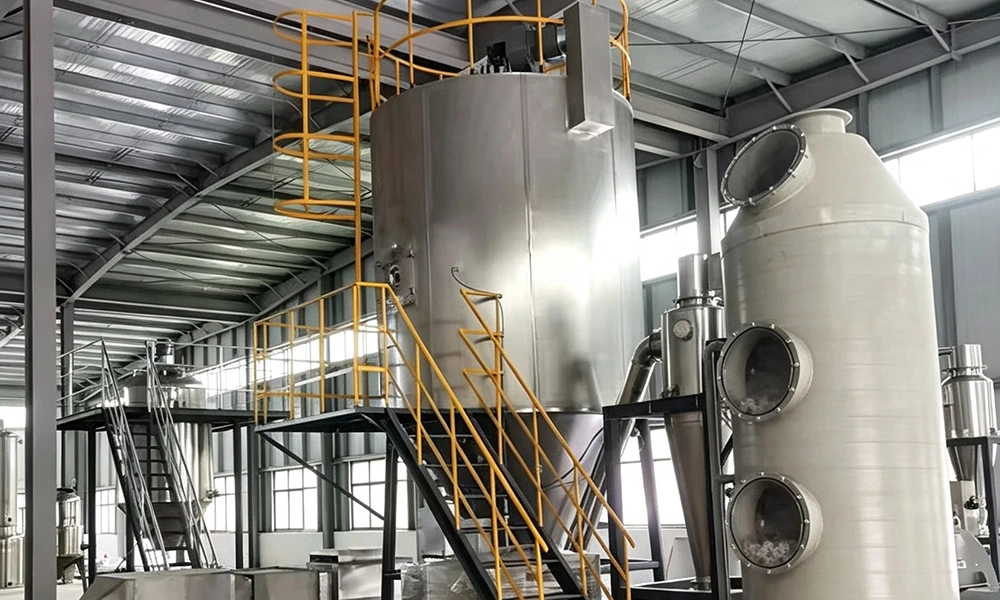
Main Spray Dryer Types
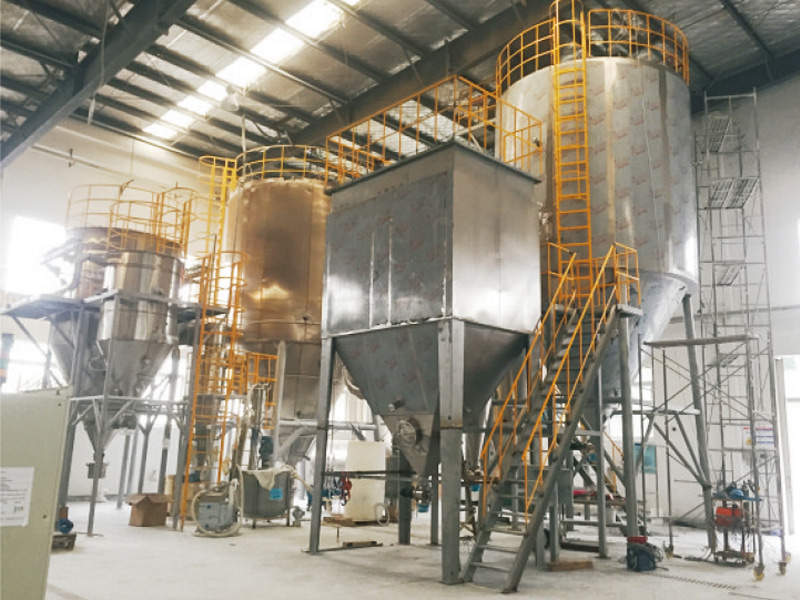
Rapid liquid-to-powder conversion for pumpable solutions, emulsions, suspensions and pastes.
The spray drying is the widest used technology in the liquid shaping technology and in the drying industry.It is most suitable for producing powder, particle or block solid products from materials of solution,emulsion, soliquoid and pumpable paste states. Therefore, when the particle size and distribution of the final products, their residual water contents, the stocking density and the particle shape meet the precision standards, the spray drying is one of the most desired technologies.
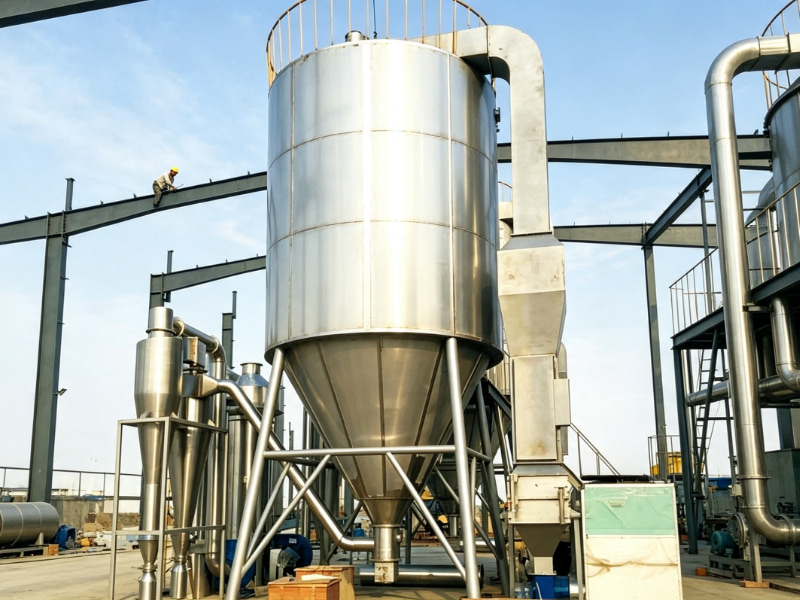
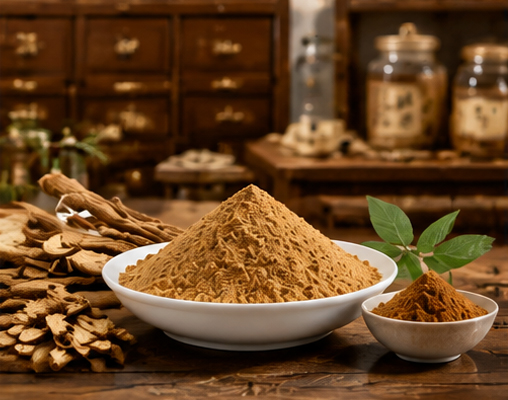
Engineered specifically for botanical and traditional Chinese medicine extracts, as well as similar high-viscosity, heat-sensitive liquid feeds.
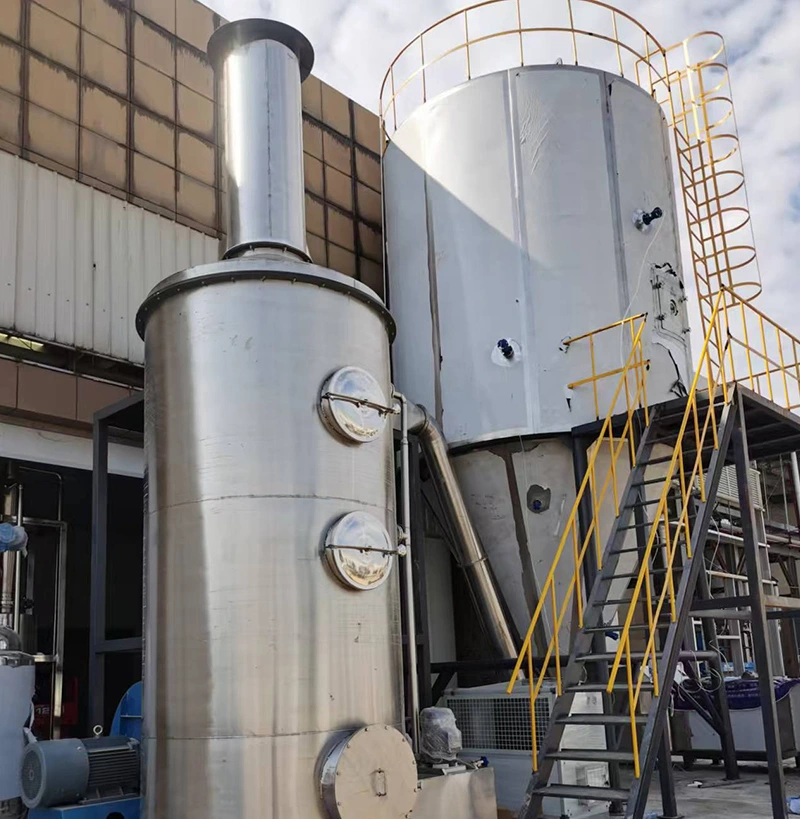
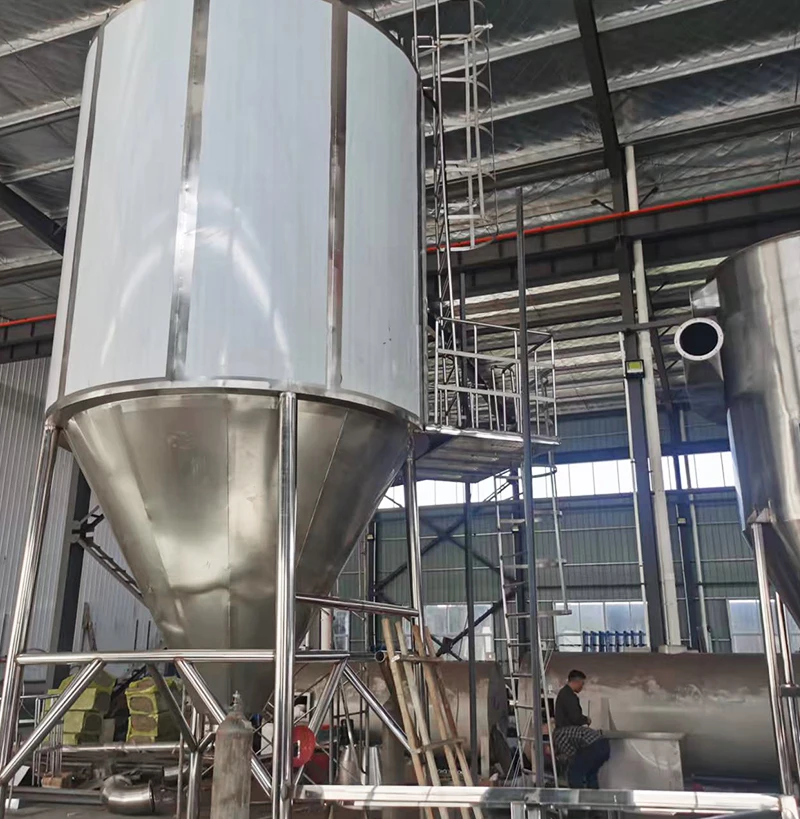
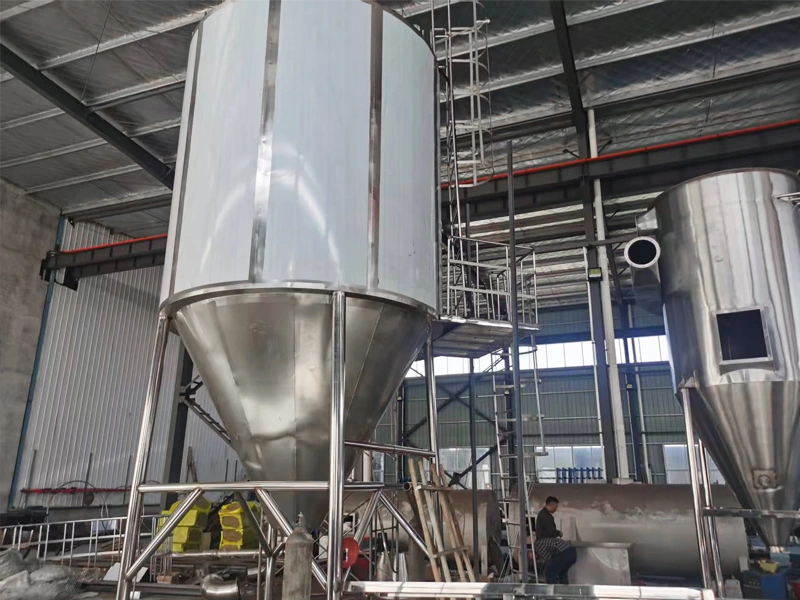
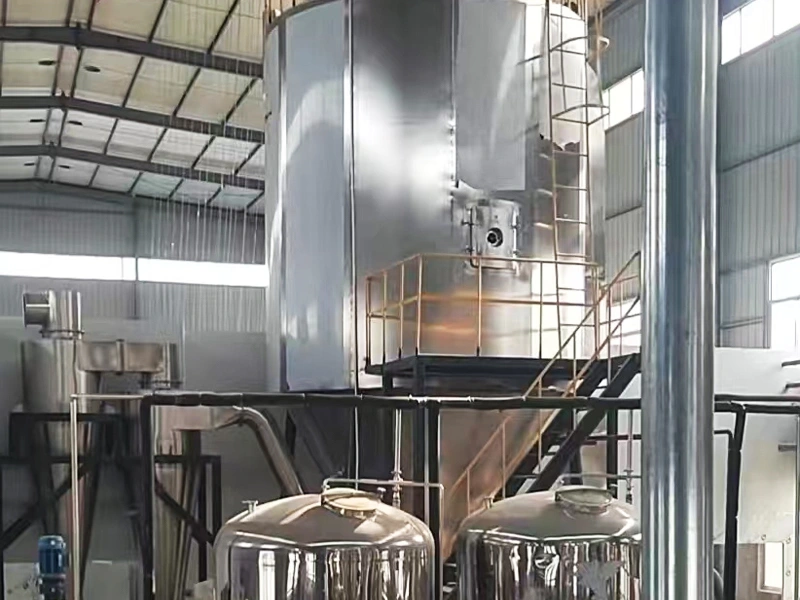
The machine adapts fully seal form. All parts are made of stainless steel. It is equipped with three grades of purifying apparatus. The filtered air reaches the requirement of one hundred thousand grades The cooling appetites of wall is installed at the cylinder boody and top. It makes the wall temperature less than 80℃, Air sweeping device is installed inside the drying tower. Thedried immrsedointment powder of traditional Chinese medicinecan not app ear the phenomenon of carbonization and degeneration. The ratio of received powder is raised greatly. Moreover it can not produce the phenomenon of medicine mixing and wall staying.
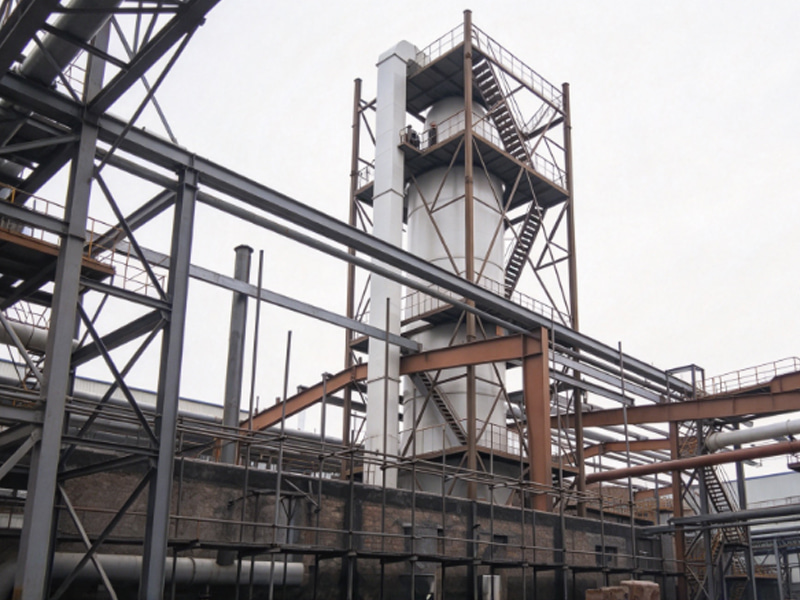
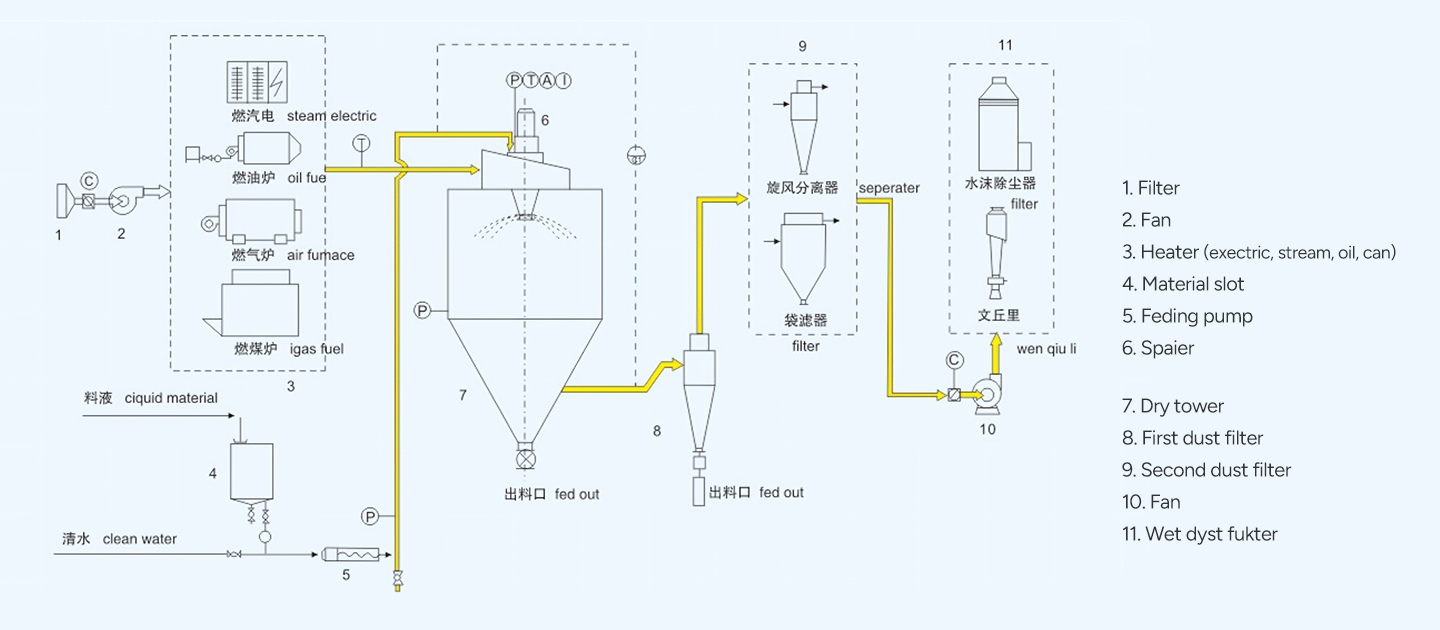
He feed liquid is pumped through a diaphragm pump under high pressure to spray out a spray-like droplet, which then flows down together with the hot air. Most of the powder particles are collected at the bottom of the tower by a discharge port.
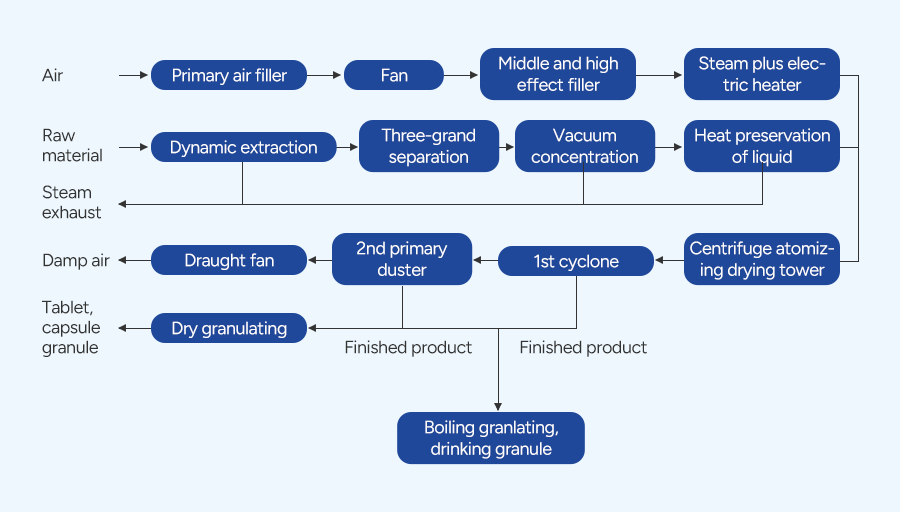
Centrifugal Spray-Drying Process
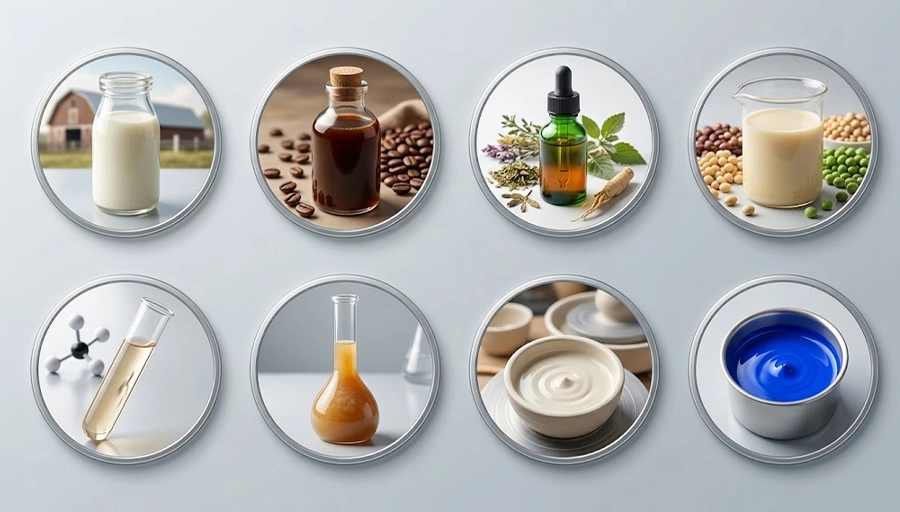
Typical products include dairy ingredients, coffee and tea extracts, glucose, amino acids, vitamins, food ingredients, herbal extracts, ceramic slurries, metal oxides, dyes, pigments, catalysts, detergents, inorganic salts and chemical intermediates.
Viscosity, solids content, thermal sensitivity, evaporation duty, target moisture, particle-size requirement, bulk density and powder-collection method define the drying conditions and model size.
Typical products include dairy ingredients, coffee and tea extracts, glucose, amino acids, vitamins, food ingredients, herbal extracts, ceramic slurries, metal oxides, dyes, pigments, catalysts, detergents, inorganic salts and chemical intermediates.
Viscosity, solids content, thermal sensitivity, evaporation duty, target moisture, particle-size requirement, bulk density and powder-collection method define the drying conditions and model size.

Spray-Drying Advantages

Rapid Evaporation & High Efficiency
Fine atomization creates a large liquid surface area for instant drying and rapid moisture removal.

Continuous Automated Production
Supports seamless liquid feeding and continuous powder discharge for maximized output and efficiency.

Heat-Sensitive Material Protection
Ultra-short drying residence time effectively prevents thermal degradation of sensitive active ingredients.

Flexible Particle Control
Adjustable process parameters allow precise control over particle size, residual moisture, bulk density, and powder form.

Versatile Processing Capability
The LPG series delivers versatile centrifugal spray drying for a wide range of aqueous and pumpable liquid feeds.

Anti-Sticking Engineering for Extracts
The ZLPG series features specialized anti-sticking technology, tailored for botanical and herbal extract materials.
LPG and ZLPG Selection Guide
LPG and ZLPG selection is based on feed properties, evaporation duty, production capacity, target powder, heat sensitivity, and site conditions.
| Model Series | Target Feed Materials | Application & Features |
|---|---|---|
| LPG Series | General pumpable solutions, emulsions, suspensions, and pastes. | Suited for general industrial centrifugal spray drying applications requiring fast liquid-to-powder processing. |
| ZLPG Series | Traditional Chinese medicine extracts and similar high-viscosity or heat-sensitive extract feeds. | Specially designed to meet stringent requirements including anti-sticking, process cooling, or specialized powder collection arrangements. |
Spray Dryer FAQ
Q: What feeds can be processed?
A: Pumpable solutions, emulsions, suspensions, extracts and paste-like feeds can be processed within the selected model's operating range.
Q: How do I select a spray dryer model?
A: LPG is suited to general centrifugal spray drying, while ZLPG is designed for traditional Chinese medicine extracts and similar high-viscosity or heat-sensitive feeds.
Q: Can spray drying process heat-sensitive materials?
A: Yes. The short drying time is suitable for many heat-sensitive feeds when the operating conditions are correctly established.
Q: Can material testing be arranged?
A: Yes. Representative samples can be tested to establish atomization behavior, drying conditions and powder characteristics.
Q: What information is required for quotation?
A: Provide the material and feed form, viscosity, solids content, initial and target moisture, capacity, heat source, target powder and collection requirements.