




New-Material and Battery-Related Powder Drying
Drying Solutions for Carbon, Ceramic, Mineral and Battery-Related Materials
Changhai's equipment range can be applied to carbon materials, graphite, activated carbon, ceramic slurries and powders, metal oxides, mineral powders, inorganic salts, catalysts and other new-material process feeds.
Battery-related powders are project-specific. Equipment suitability and the achievable moisture, atmosphere and contamination-control conditions must be established from the actual material and process requirements.
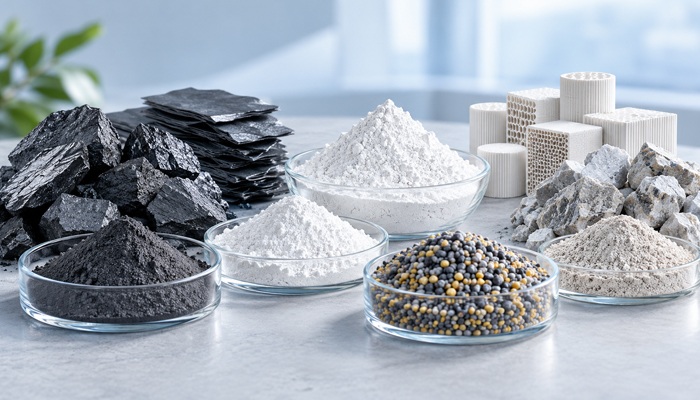
Advanced Powder Drying Challenges
Moisture & Temperature
Residual moisture and operating temperature must be defined from the material specification; no single dryer or parameter applies to all advanced powders.
Atmosphere & Sealing
Air exposure, oxidation or solvent handling may require vacuum drying, sealed processing and project-specific vapor or gas management.
Dust & Flowability
Fine powders require attention to dust collection, product recovery, sealing and discharge. Agglomeration, abrasion and poor flowability affect the choice of agitation, conveying, residence time and contact materials.
Recommended Equipment for New Materials
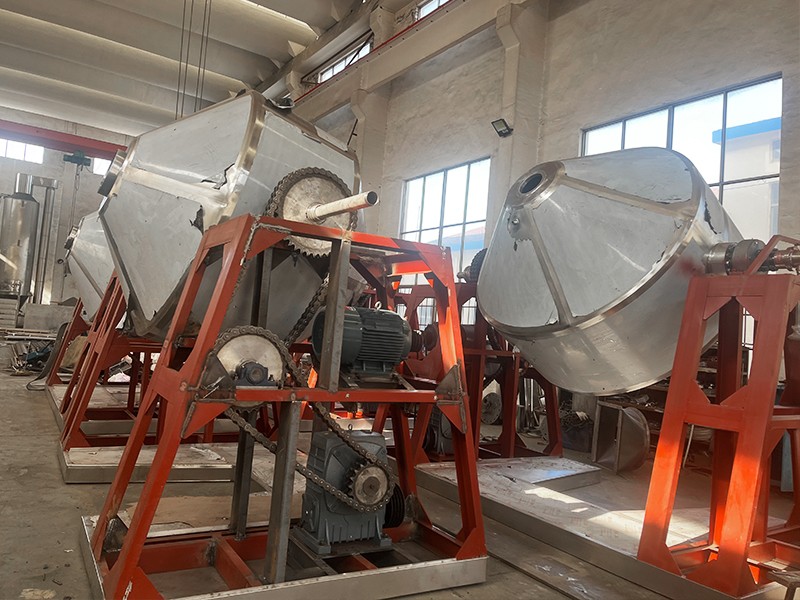
SZG Double-Cone Rotary Vacuum Dryer
For suitable powders and granules requiring gentle tumbling, indirect heating and batch vacuum drying.
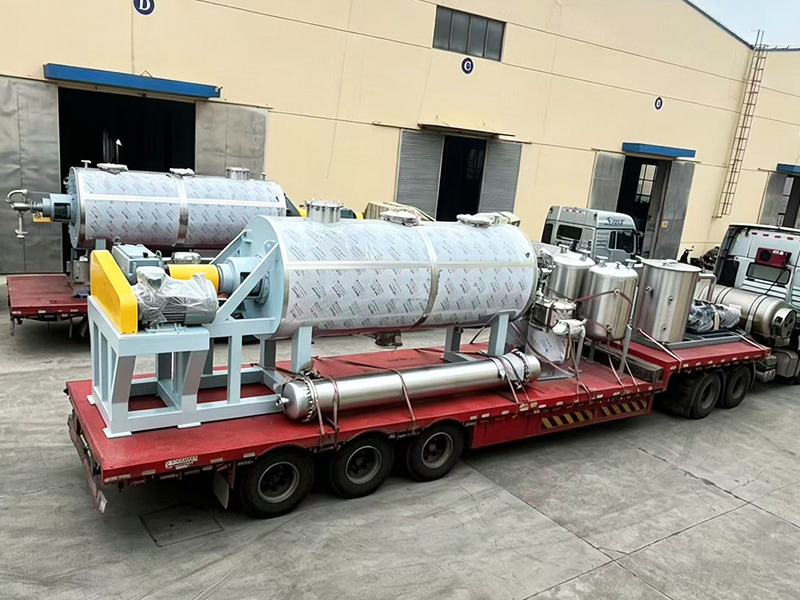
ZPG & LDG Vacuum Dryers
For suitable powders, pastes, slurries or filter cakes requiring agitation or mixing under vacuum.
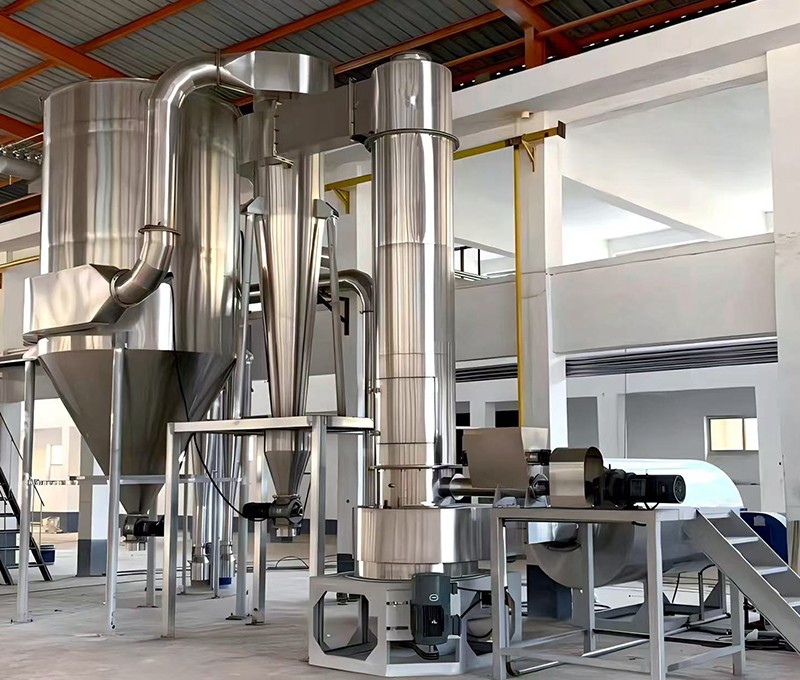
XSG Spin Flash Dryer
For dispersible wet cakes, pastes and wet powders requiring continuous drying.
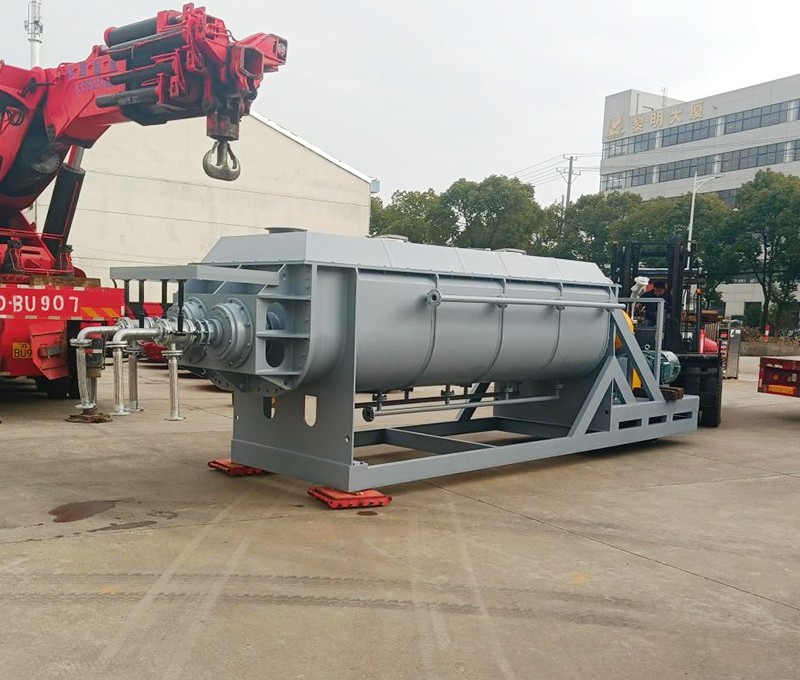
KJG Paddle & PLG Plate Dryer
For indirect or conductive processing of suitable powders, pastes, sludges, salts and inorganic products.
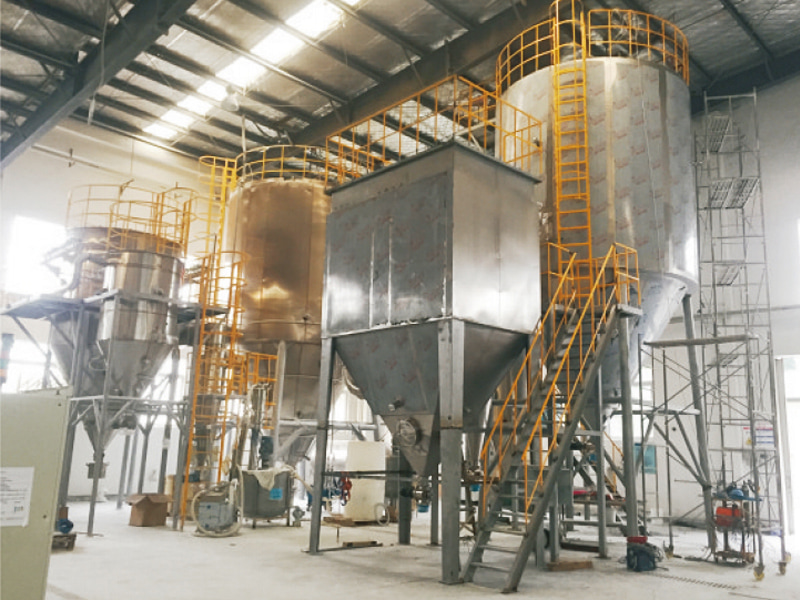
LPG Centrifugal Spray Dryer
For pumpable precursor solutions, suspensions or ceramic slurries requiring powder production.
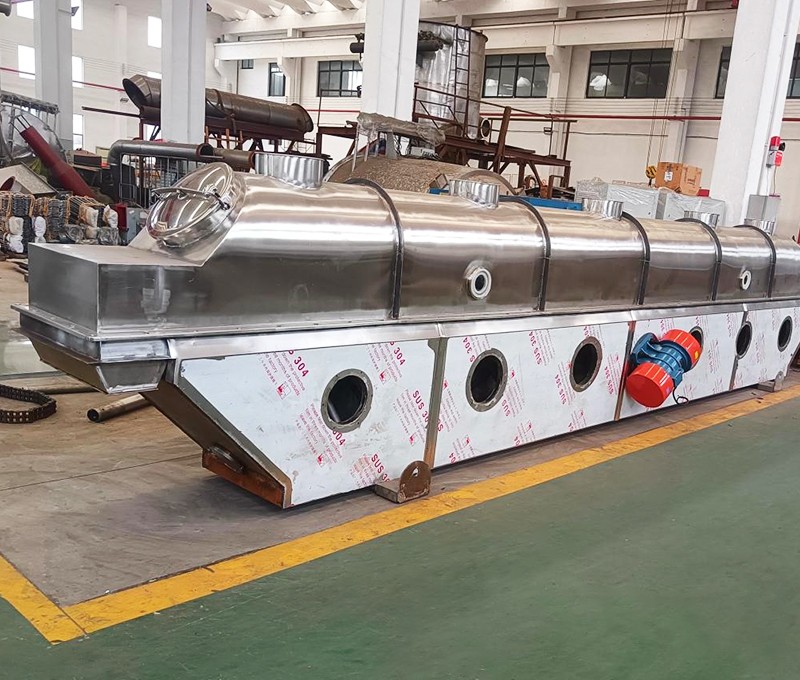
GZQ/ZLG and other Fluid-Bed Dryers
For suitable granules, crystals and particulate products requiring drying or cooling.
New-Material Dryer Selection Guide
Use double-cone vacuum drying for suitable free-flowing powders or granules requiring gentle batch tumbling.
Use agitated vacuum drying for paste-like, slurry, filter-cake or poorly flowing materials requiring surface renewal.
Use spin flash drying for dispersible wet cake or paste requiring continuous drying.
Use paddle or plate drying when indirect heat transfer suits the material and process duty.
Use spray drying when a pumpable liquid or slurry must be converted into powder.
Use fluid-bed drying when the particulate material can maintain stable fluidization.
New-Material Processing Applications
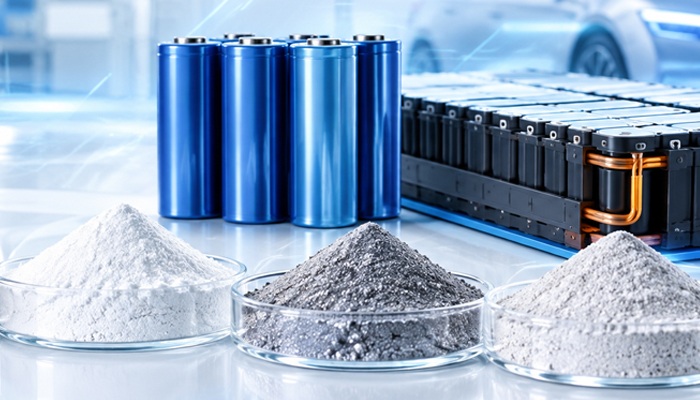
Relevant applications include carbon black, graphite, activated carbon, catalyst powders, ceramic materials, alumina, titanium dioxide, iron or zinc oxides, mineral powders, inorganic salts and selected precursor materials.
For battery-related materials, the chemistry, moisture specification, atmosphere, allowable contamination and downstream process must be reviewed before equipment selection.
Powder and Process Data
Provide particle size and distribution, bulk density, initial and target moisture, solvent content, temperature limit, oxidation sensitivity, abrasiveness, agglomeration tendency and required product form.
Also define capacity, batch or continuous operation, acceptable air exposure, collection efficiency target, cleaning method, discharge and packaging connection.
Advanced Powder Drying Configuration
Vacuum level, heating medium and vessel movement are matched to the material and selected vacuum dryer.
Agitation or tumbling is selected according to flowability, agglomeration and particle-fragility requirements.
Cyclone, bag filtration or other powder collection is selected for the particle and exhaust characteristics.
Contact materials, sealing, discharge and cleaning access are defined from the product and contamination requirements.
Any inert-gas, oxygen-control or special atmosphere requirement must be specified and engineered separately.
Material Testing and Equipment Engineering
Changhai's product range covers vacuum, flash, paddle, plate, spray and fluid-bed dryers, as well as mixing and auxiliary equipment. The company also has a sample-testing center and pilot workshop.
For uncertain powders or new processes, representative material evaluation helps define the dryer type, operating window, collection method and equipment size before final configuration.
Batch Vacuum Drying of Carbon Powder
Typical Project Scenario
A carbon-material producer needs to dry a free-flowing carbon or graphite powder in batches while limiting air exposure and maintaining practical powder discharge.
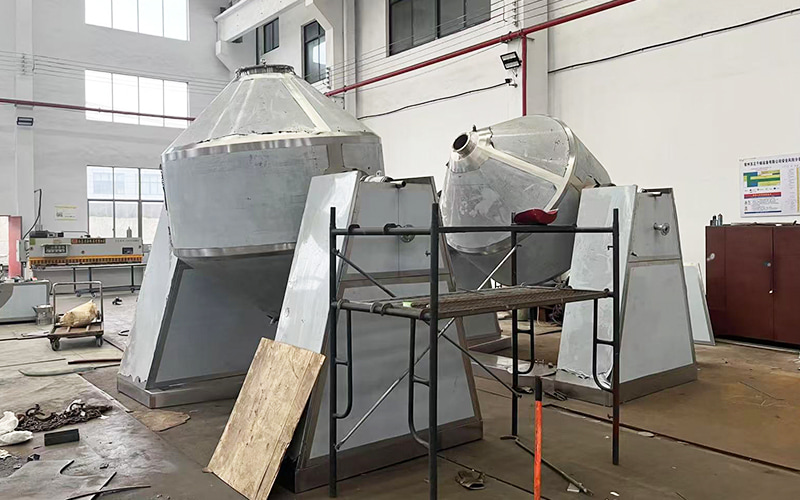
For this duty, Changhai can configure an SZG double-cone rotary vacuum dryer with jacket heating, a vacuum system, vapor piping and a discharge arrangement matched to the powder.
Slow vessel rotation continually renews the material surface while indirect heating and vacuum remove moisture or vapor. The configuration addresses batch uniformity and contained handling; final vacuum, temperature, capacity and collection requirements are confirmed from the material data.
From Powder Data to Equipment Delivery
The project begins with representative powder data, the required moisture or solvent removal, temperature and atmosphere limits, capacity, collection and discharge requirements.
The workflow can include material evaluation, route selection, equipment and auxiliary design, drawing confirmation, manufacturing, inspection or factory testing, shipment, installation guidance and technical support.
New-Material Drying FAQ
Can Changhai dry battery-related powders?
A drying route can be evaluated from the actual chemistry, moisture target, temperature limit, atmosphere, allowable contamination and process duty. Suitability is confirmed project by project.
Which dryer suits a fine powder?
Selection depends on flowability, moisture, dust behavior and feed state. Vacuum, paddle, plate, flash, spray or fluid-bed drying may be considered.
Can air exposure be reduced?
Vacuum and sealed configurations can reduce direct air exposure. Any inert-gas or oxygen-limit requirement must be specified separately.
Can solvent-containing feeds be processed?
Suitable vacuum-drying systems can include vapor piping and condensation or recovery equipment after the solvent and safety requirements are reviewed.
What information is required?
Provide the material name or chemistry, feed form, particle data, moisture or solvent data, target moisture, temperature and atmosphere limits, capacity, and collection/discharge requirements.
New-Material and Battery-Related Powder Drying
Drying Solutions for Carbon, Ceramic, Mineral and Battery-Related Materials
Changhai's equipment range can be applied to carbon materials, graphite, activated carbon, ceramic slurries and powders, metal oxides, mineral powders, inorganic salts, catalysts and other new-material process feeds.
Battery-related powders are project-specific. Equipment suitability and the achievable moisture, atmosphere and contamination-control conditions must be established from the actual material and process requirements.
Advanced Powder Drying Challenges
Moisture & Temperature
Residual moisture and operating temperature must be defined from the material specification; no single dryer or parameter applies to all advanced powders.
Atmosphere & Sealing
Air exposure, oxidation or solvent handling may require vacuum drying, sealed processing and project-specific vapor or gas management.
Dust & Flowability
Fine powders require attention to dust collection, product recovery, sealing and discharge. Agglomeration, abrasion and poor flowability affect the choice of agitation, conveying, residence time and contact materials.
Recommended Equipment for New Materials
SZG Double-Cone Rotary Vacuum Dryer
For suitable powders and granules requiring gentle tumbling, indirect heating and batch vacuum drying.
ZPG & LDG Vacuum Dryers
For suitable powders, pastes, slurries or filter cakes requiring agitation or mixing under vacuum.
XSG Spin Flash Dryer
For dispersible wet cakes, pastes and wet powders requiring continuous drying.
KJG Paddle & PLG Plate Dryer
For indirect or conductive processing of suitable powders, pastes, sludges, salts and inorganic products.
LPG Centrifugal Spray Dryer
For pumpable precursor solutions, suspensions or ceramic slurries requiring powder production.
GZQ/ZLG and other Fluid-Bed Dryers
For suitable granules, crystals and particulate products requiring drying or cooling.
New-Material Dryer Selection Guide
Use double-cone vacuum drying for suitable free-flowing powders or granules requiring gentle batch tumbling.
Use agitated vacuum drying for paste-like, slurry, filter-cake or poorly flowing materials requiring surface renewal.
Use spin flash drying for dispersible wet cake or paste requiring continuous drying.
Use paddle or plate drying when indirect heat transfer suits the material and process duty.
Use spray drying when a pumpable liquid or slurry must be converted into powder.
Use fluid-bed drying when the particulate material can maintain stable fluidization.
New-Material Processing Applications
Relevant applications include carbon black, graphite, activated carbon, catalyst powders, ceramic materials, alumina, titanium dioxide, iron or zinc oxides, mineral powders, inorganic salts and selected precursor materials.
For battery-related materials, the chemistry, moisture specification, atmosphere, allowable contamination and downstream process must be reviewed before equipment selection.
Powder and Process Data
Provide particle size and distribution, bulk density, initial and target moisture, solvent content, temperature limit, oxidation sensitivity, abrasiveness, agglomeration tendency and required product form.
Also define capacity, batch or continuous operation, acceptable air exposure, collection efficiency target, cleaning method, discharge and packaging connection.
Advanced Powder Drying Configuration
Vacuum level, heating medium and vessel movement are matched to the material and selected vacuum dryer.
Agitation or tumbling is selected according to flowability, agglomeration and particle-fragility requirements.
Cyclone, bag filtration or other powder collection is selected for the particle and exhaust characteristics.
Contact materials, sealing, discharge and cleaning access are defined from the product and contamination requirements.
Any inert-gas, oxygen-control or special atmosphere requirement must be specified and engineered separately.
Material Testing and Equipment Engineering
Changhai's product range covers vacuum, flash, paddle, plate, spray and fluid-bed dryers, as well as mixing and auxiliary equipment. The company also has a sample-testing center and pilot workshop.
For uncertain powders or new processes, representative material evaluation helps define the dryer type, operating window, collection method and equipment size before final configuration.
Batch Vacuum Drying of Carbon Powder
Typical Project Scenario
A carbon-material producer needs to dry a free-flowing carbon or graphite powder in batches while limiting air exposure and maintaining practical powder discharge.
For this duty, Changhai can configure an SZG double-cone rotary vacuum dryer with jacket heating, a vacuum system, vapor piping and a discharge arrangement matched to the powder.
Slow vessel rotation continually renews the material surface while indirect heating and vacuum remove moisture or vapor. The configuration addresses batch uniformity and contained handling; final vacuum, temperature, capacity and collection requirements are confirmed from the material data.
From Powder Data to Equipment Delivery
The project begins with representative powder data, the required moisture or solvent removal, temperature and atmosphere limits, capacity, collection and discharge requirements.
The workflow can include material evaluation, route selection, equipment and auxiliary design, drawing confirmation, manufacturing, inspection or factory testing, shipment, installation guidance and technical support.
New-Material Drying FAQ
Can Changhai dry battery-related powders?
A drying route can be evaluated from the actual chemistry, moisture target, temperature limit, atmosphere, allowable contamination and process duty. Suitability is confirmed project by project.
Which dryer suits a fine powder?
Selection depends on flowability, moisture, dust behavior and feed state. Vacuum, paddle, plate, flash, spray or fluid-bed drying may be considered.
Can air exposure be reduced?
Vacuum and sealed configurations can reduce direct air exposure. Any inert-gas or oxygen-limit requirement must be specified separately.
Can solvent-containing feeds be processed?
Suitable vacuum-drying systems can include vapor piping and condensation or recovery equipment after the solvent and safety requirements are reviewed.
What information is required?
Provide the material name or chemistry, feed form, particle data, moisture or solvent data, target moisture, temperature and atmosphere limits, capacity, and collection/discharge requirements.